A thin metal panel rattles near the exhaust, and removing it sounds like an easy fix. But why was it there in the first place? Exhaust heat shields protect areas close to hot components. Silencing the rattle by taking the shield away can leave those areas exposed to more heat.
The exhaust carries hot gases away from the engine and can stay hot after you park. A shield's shape and placement help manage that heat around the rest of the vehicle. Its job depends on its location, so a small panel deserves a proper inspection before anyone decides it's unnecessary.
Exhaust Heat Shields Limit Heat Reaching Nearby Components
A heat shield creates a barrier between a hot exhaust component and an area that needs protection. Its material, shape, and air gap help reduce heat transfer. Depending on the vehicle, it can protect the floor, wiring, fuel-related components, brake lines, or other parts near the exhaust route.
It doesn't make the exhaust cool enough to touch. The shield manages exposure while the exhaust operates at its intended temperature. Its mounting position is therefore part of the design. A panel pushed against the hot component or installed with the wrong clearance may no longer provide the same protection.
Catalytic Converters Create Concentrated Exhaust Heat
The catalytic converter processes exhaust gases through chemical reactions and can become particularly hot. Shields around it or above it help protect nearby areas from that concentrated heat. Other emissions equipment and exhaust sections may have their own thermal protection, depending on the engine and vehicle layout.
Abnormal engine operation can increase exhaust heat beyond normal conditions. A severe misfire, for example, can damage a converter and create a safety concern. A shield doesn't make continued driving with a flashing check engine light safe. Follow the vehicle's warning instructions and stop when symptoms or the alert call for it.
Loose Exhaust Heat Shields Often Cause Metallic Rattles
Thin shields can vibrate when fasteners loosen, or mounting areas deteriorate. The sound may appear at idle, during acceleration, or over bumps. A road impact can also bend a shield until it touches the exhaust or another component, creating noise even though the exhaust pipe remains intact.
Trace the rattle before choosing a repair. Exhaust hangers, internal converter damage, and nearby brackets can produce similar sounds. Simply removing whichever panel is easiest to reach may hide one symptom while leaving the actual fault and an important area of thermal protection unresolved.
Exhaust Heat Shield Removal Can Expose Protected Areas
A missing shield can allow more heat to reach components or the cabin floor. The consequences depend on where it was fitted and how the vehicle is used. Heat-related deterioration may develop gradually, so the absence of an immediate symptom doesn't prove that removing the panel was a suitable repair.
Don't judge the need for protection by a short drive around the block. Long highway trips, slow traffic, and heavy engine load create different thermal conditions. In Houston traffic, the exhaust can stay hot while the vehicle moves very little. Restoring the specified shield is a better basis for managing that exposure.
Heat Shield Repairs Depend On The Mounts And Metal Condition
If the panel is sound, the repair may involve correct fasteners or restoration of its mounting arrangement. A severely damaged shield or torn mounting area may need replacement. The technician should check clearance and surrounding components rather than tighten a fastener without considering what caused the noise.
Useful details for an exhaust inspection include:
- Whether the rattle happens at idle, over bumps, or during acceleration.
- Whether it began after an impact or another repair.
- Whether the sound changes before or after the exhaust warms up.
- Any unusual heat, burning smell, or exhaust odor inside the cabin.
These observations help the mechanics inspect the relevant parts without assuming that every metallic noise comes from a shield.
Exhaust Heat Requires Care Even After The Engine Stops
Let the system cool before anyone works near it, and use proper lifting equipment for underbody access. Exhaust components can remain hot after shutdown. Avoid parking over dry grass or other combustible material, because the exhaust can still pose a fire risk even with its factory heat shields.
Exhaust fumes inside the vehicle need prompt attention as well. Stop safely in an open area, switch off the engine, and arrange assistance rather than continuing with the windows cracked. A heat shield isn't an exhaust seal, so repairing a rattle alone won't fix a leak that lets fumes in.
Choose Auto Repair For Exhaust Heat Shields Based On Inspection
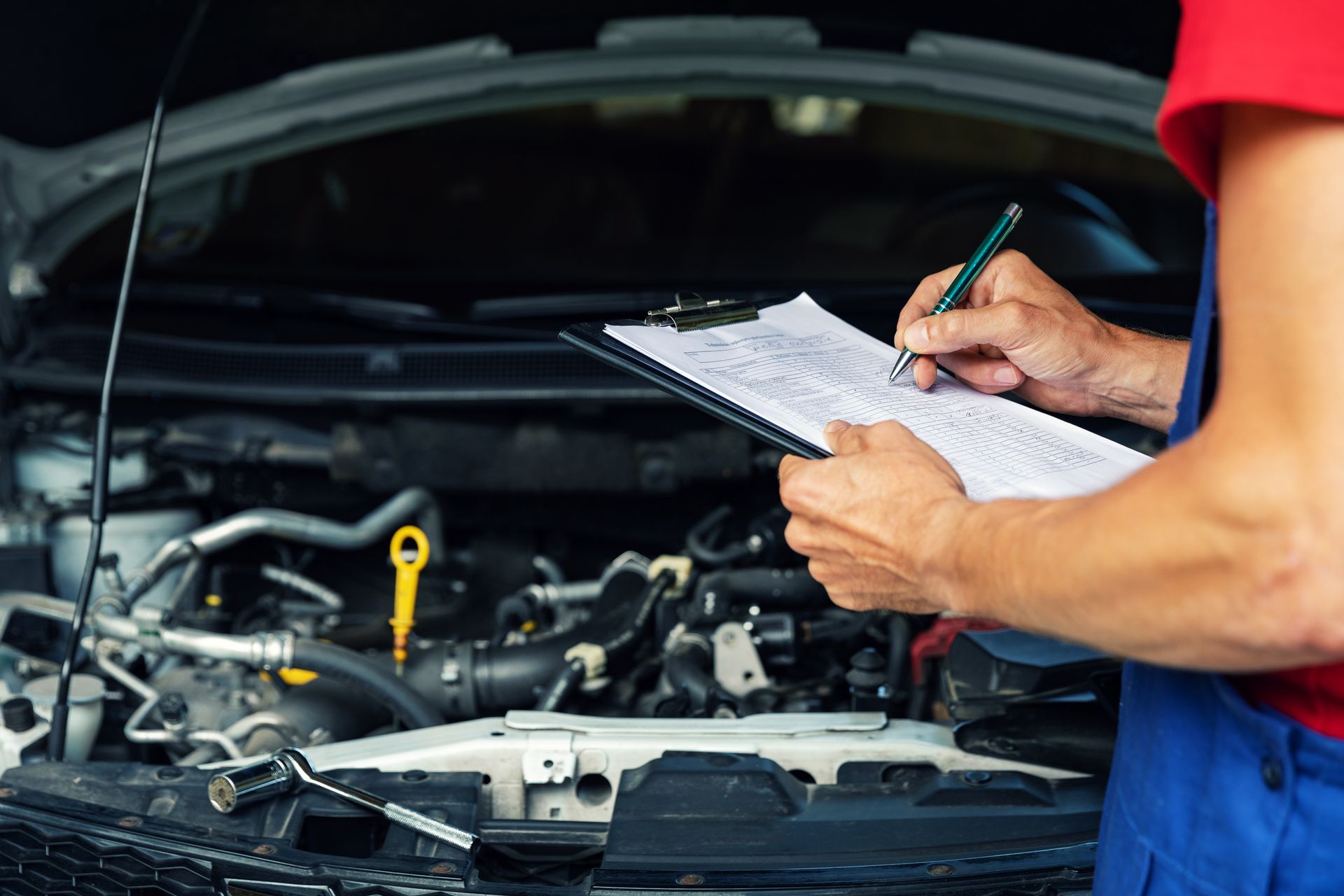
If you're searching for auto repair near me because of a new exhaust rattle, describe when the sound occurs and whether there are other symptoms. A useful inspection considers the shield, its attachments, exhaust clearances, and the condition of nearby components before deciding what work is appropriate.
A search for mechanics near me can help you find a local shop, but ask how it will check the noise. You should get an explanation of the affected shield and the repair that restores its function. That leaves less room for a quick noise fix to overlook damaged mounts or a separate exhaust fault.
Get Exhaust Heat Shield Service In Houston, TX
Payne's Automotive in Houston, TX, can inspect exhaust rattles, damaged heat shields, and related underbody concerns. Share the conditions that trigger the noise so we can identify the source and recommend a repair that addresses the affected components.
Contact us to schedule an exhaust system and heat shield inspection.