A car that will not start can ruin the day fast. You turn the key or press the start button, and instead of the engine starting, you get clicking, slow cranking, dim lights, or nothing at all. Most drivers blame the battery first, and sometimes they are right.
The problem is that the battery is not the only part involved. The alternator, starter, cables, grounds, fuses, and electrical connections all play a role. That is why replacing the battery does not always solve the issue, especially if something else caused the battery to die in the first place.
What The Battery Does
The battery stores power and delivers a strong burst of electricity needed to start the engine. It also supports electronics when the vehicle is off, including security systems, memory settings, locks, and other low-power features. When the battery gets weak, the first symptom is commonly slow cranking.
A failing battery can also cause clicking when you try to start the car, dim interior lights, or warning messages on the dashboard. Heat, age, short trips, corrosion, and repeated jump starts can all shorten battery life. If the battery fails a proper load test, car battery replacement is the right repair.
What The Alternator Does
Once the engine is running, the alternator takes over. It powers the vehicle’s electrical system and recharges the battery while you drive. If the alternator is weak or failing, the battery may start the car once or twice, but it will not recharge properly.
That is where many drivers get stuck in a frustrating loop. They replace the battery, the car starts for a few days, then the same problem comes back. If the alternator is not charging, even a new battery will eventually lose power. A charging system test is the only way to confirm what is really happening.
Signs The Battery Is The Problem
Battery issues tend to show up most clearly before the engine starts. The car may crank slowly after sitting overnight, click rapidly when you try to start it, or need a jump after being parked. If the battery is more than three years old, age becomes an important clue.
Corrosion around the terminals can make the problem look worse. A good battery cannot do its job if power cannot move cleanly through the cables. During an inspection, the battery, terminals, cables, and grounds should all be checked together. Replacing the battery without checking the connections can leave the same symptom behind.
Signs The Alternator Is The Problem
Alternator failure tends to show up while the vehicle is running. You may notice the battery light, dim headlights, flickering dashboard lights, slow power windows, or electronics that reset. Some vehicles will keep driving until the battery reserve runs out, then stall and refuse to restart.
A bad alternator can also make noise if the bearings are wearing or the belt system is slipping. If the car starts after a jump but dies again while driving, the alternator deserves attention right away. At that point, the vehicle is not getting the power it needs to keep running.
Other Reasons A Car Will Not Start
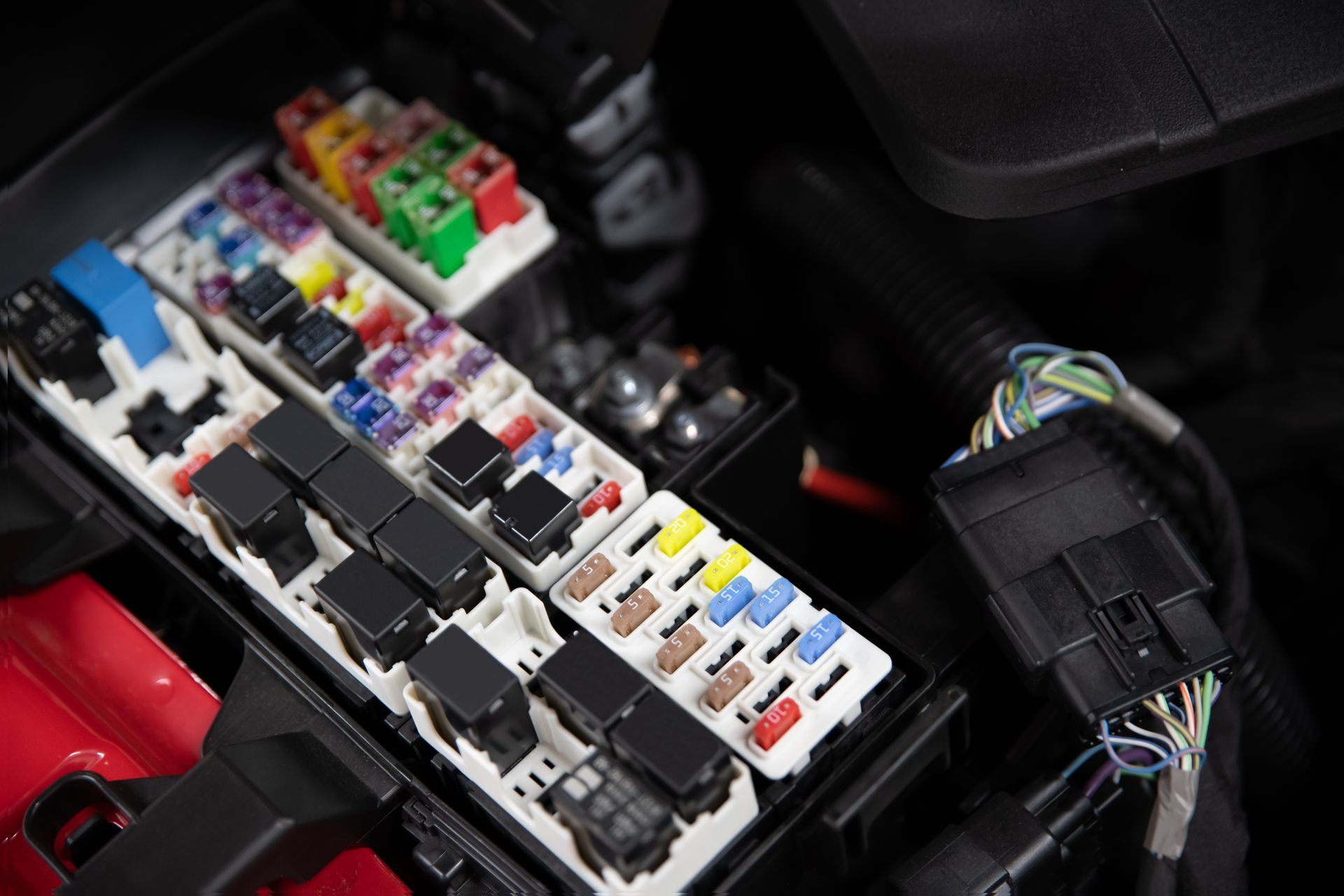
Not every starting problem is battery or alternator related. A worn starter can click once or fail to crank the engine. A bad ignition switch, relay, fuse, neutral safety switch, or key system problem can also prevent the vehicle from starting. On some cars, a fuel-delivery or sensor problem can cause the engine to crank without firing.
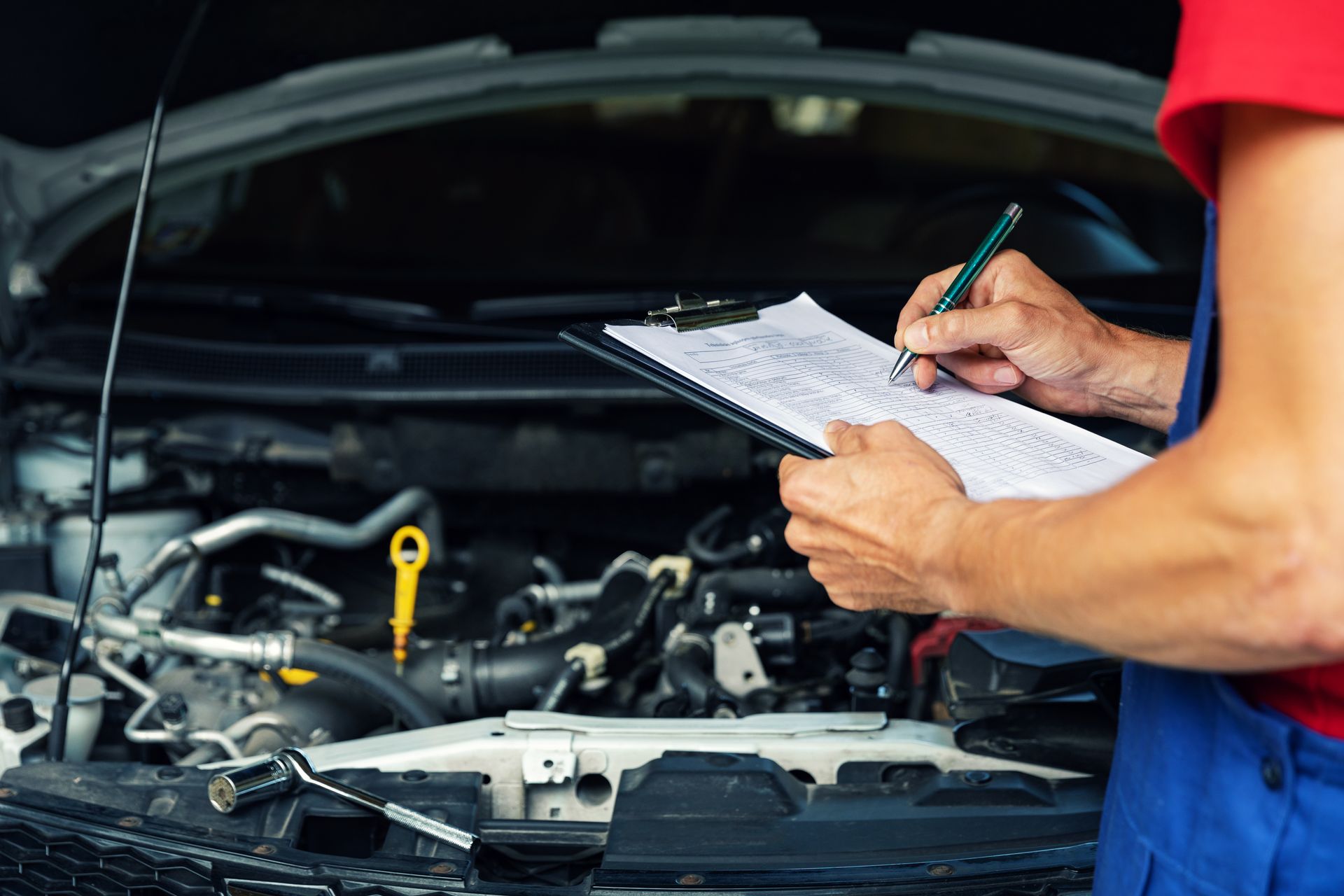
The repair shop should check the battery, charging system, starter draw, cables, grounds, and stored codes when needed. Good mechanics do not just replace the easiest part and hope the vehicle starts tomorrow.
Why Testing Saves Money
Electrical problems can look similar from the driver’s seat. A weak battery, a bad alternator, a loose ground connection, a failing starter, or a corroded cable can all leave you with a car that will not start. The repair changes depending on where the power is being lost.
Testing helps separate the real cause from the symptom. Regular maintenance can catch weak batteries, worn belts, and corrosion before they leave you stranded. When the issue has already started, a proper diagnostic process keeps the repair focused and helps avoid paying for parts that were not the source of the problem.
Get Battery And Alternator Service In Houston, TX, With Payne's Automotive
If your vehicle needs car battery replacement, alternator testing, starter checks, or auto repair in Houston, TX, Payne's Automotive can inspect the charging and starting system to find the real cause.