Wrangler and Grand Cherokee models have different personalities, but they share one thing: they need the right care to stay dependable. A Wrangler may see more trail use, larger tires, and suspension upgrades. A Grand Cherokee may spend more time commuting, towing, or carrying the family around town.
Either way, Jeep repair gets easier when small signs are handled early. These tips can help you spot wear before it turns into a bigger repair.
1. Watch For Suspension And Steering Changes
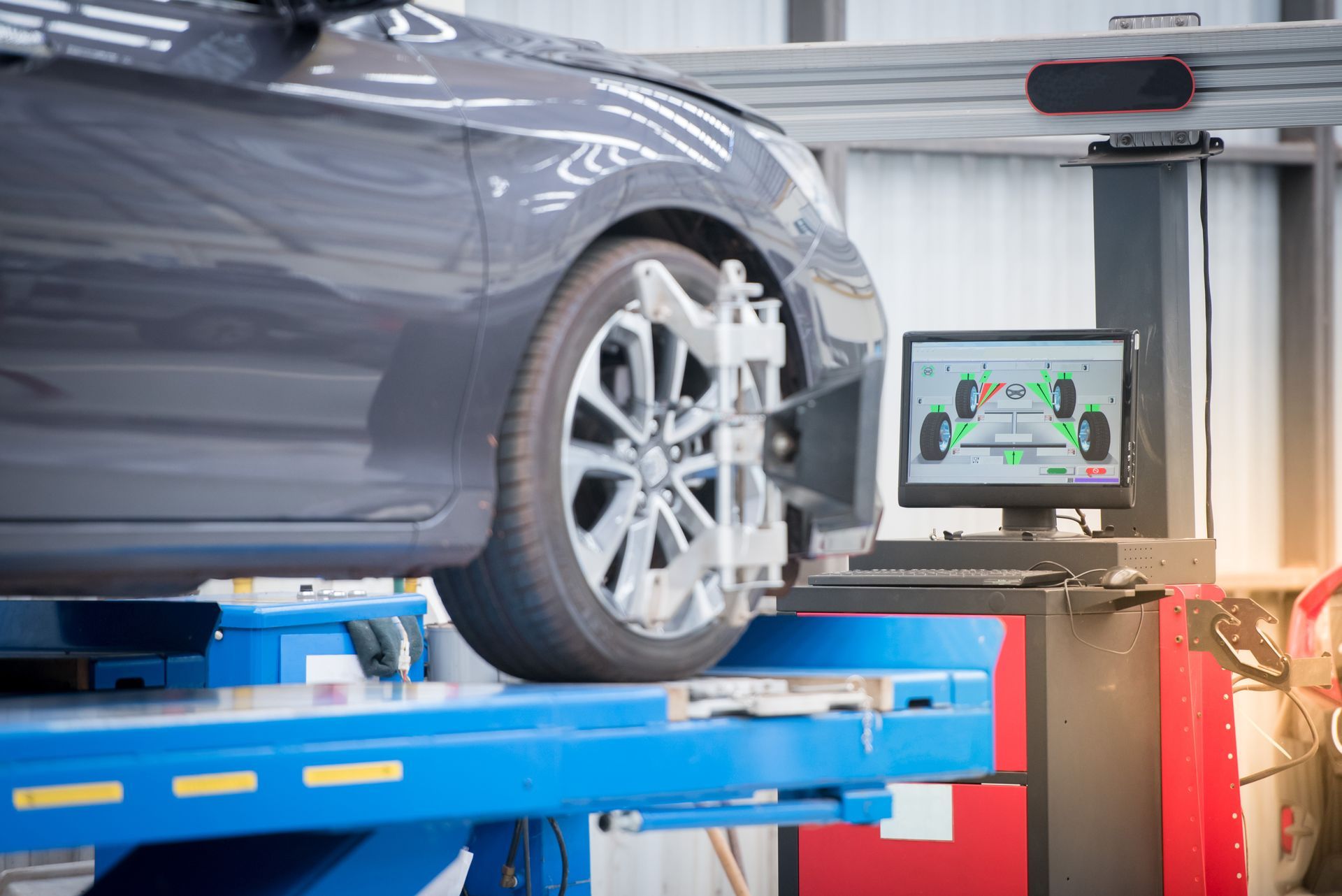
Jeeps can make suspension wear more noticeable than some vehicles. A clunk over bumps, loose steering, wandering on the highway, or uneven tire wear can point to worn bushings, ball joints, shocks, struts, links, or alignment trouble.
Wranglers with lifts or larger tires need extra attention because those changes place more load on steering and suspension parts. Grand Cherokees can also develop front-end wear, which can change how stable the vehicle feels. If the Jeep starts feeling less controlled, an inspection should come before more miles pile up.
2. Keep Tires Rotated And Properly Inflated
Tires affect how a Jeep rides, steers, brakes, and wears. Larger off-road, all-terrain, and heavier SUV tires all require regular pressure checks and rotation. Skipping those basics can lead to cupping, road noise, vibration, and early tire replacement.
Pressure matters too. Low tire pressure creates heat and wear. High pressure can make the ride harsher and reduce tire contact with the road. Our technicians examine tread depth, tire age, wear patterns, and alignment clues during routine service because tires often reveal problems before the driver feels them.
3. Do Not Ignore Driveline Vibrations
A vibration under acceleration or at certain speeds can point to U-joints, driveshaft angles, wheel balance, axle issues, or worn mounts. On lifted Wranglers, driveline angles become especially important. If those angles are off, vibration and wear can show up quickly.
Grand Cherokees can develop driveline concerns, too, especially with higher mileage or towing use. A new vibration is not something to live with. It usually means something is moving, wearing, or no longer lined up the way it should.
4. Service The 4x4 System
A Jeep’s 4x4 system requires fluid and mechanical components to be in good condition. Transfer case fluid, differential fluid, axle seals, and related components all deserve attention. If the Jeep goes off-road, crosses water, pulls a weight, or sees rough conditions, those services become even more important.
Water or dirt in the fluid can damage gears and bearings. Old fluid can lose protection under heat and load. Regular maintenance helps protect the parts that make the Jeep useful when traction gets rough.
5. Pay Attention To Cooling System Problems
Jeeps can work hard in traffic, in the heat, off-road, and in towing situations. The cooling system must remain healthy to protect the engine. Low coolant, a rising temperature gauge, a sweet smell, or coolant stains around hoses and fittings should be checked.
A small coolant leak can lead to overheating if ignored. That can damage gaskets, seals, and engine parts. We see cooling issues get expensive when drivers keep topping off coolant instead of finding out why it keeps dropping.
6. Keep Up With Oil And Filter Changes
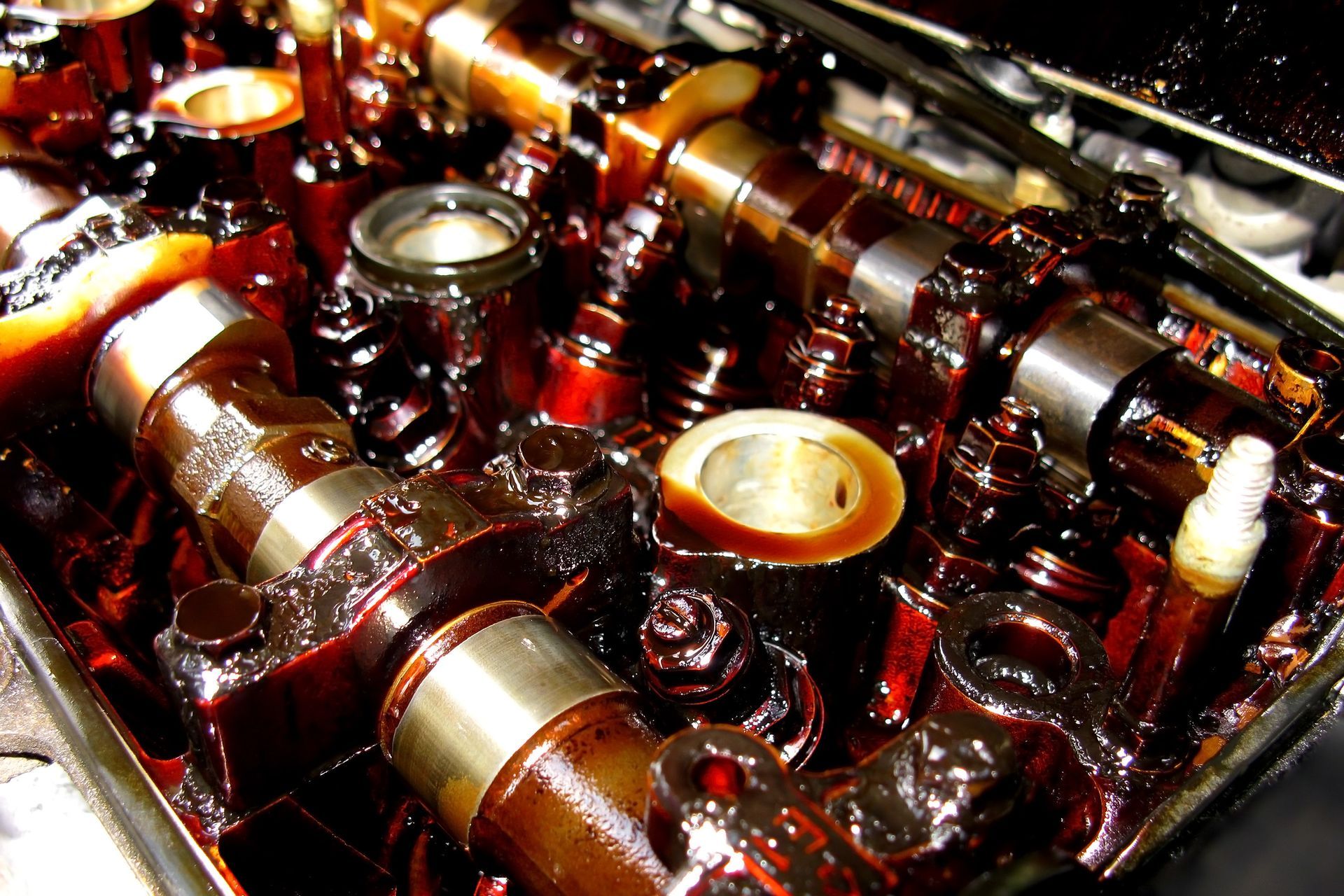
Oil changes are basic, but they protect expensive parts. Clean oil helps protect timing components, bearings, camshafts, and internal engine surfaces. A fresh oil filter is just as important because it catches debris that should not keep circulating through the engine.
Wranglers and Grand Cherokees can see very different driving patterns, so the schedule should fit the vehicle. Short trips, towing, off-road use, heat, and stop-and-go driving can make oil work harder than mileage alone suggests.
7. Take Brake Changes Seriously
Jeep brakes work hard because these vehicles are heavier than many cars, and some are fitted with larger tires or used for towing. Squeaking, grinding, vibration, pulling, or a softer pedal all deserve attention. Delaying brake work can turn worn pads into damaged rotors, stuck calipers, or heat-related repairs.
If you are searching for auto repair near me or mechanics near me because the brakes feel different, do not wait until they grind. A careful brake check can show whether the Jeep needs basic service or a deeper repair.
8. Choose A Shop That Understands Jeep Use
A Jeep used for school runs and errands does not wear the same way as one used for trails, towing, or oversized tires. Good auto repair should consider how the vehicle is actually driven. That matters when checking suspension, tires, brakes, fluids, and drivetrain parts.
The best mechanics do more than replace the noisy part. They look for why it failed and whether anything nearby is wearing it. That approach is especially useful for Jeep repair, because a single modification or driving habit can affect several systems at once.
Get Jeep Repair And Maintenance In Houston, TX, With Payne's Automotive
If your Wrangler or Grand Cherokee needs service, is making noise, or feels different on the road, Payne's Automotive in Houston, TX, can inspect the vehicle and help you stay ahead of repair problems.