Electronics made today’s cars safer, quicker to diagnose, and packed with convenience. They also introduced more places for tiny faults to hide. When screens freeze, lights flicker, or warning messages appear, the root cause is often one of a few common problems. If you find yourself typing auto repair near me after a dash full of warnings, the issues below are the ones we see most often.
Here are the issues we see most often, what they feel like on the road, and how they are fixed.
1. Weak Battery or Poor Grounds
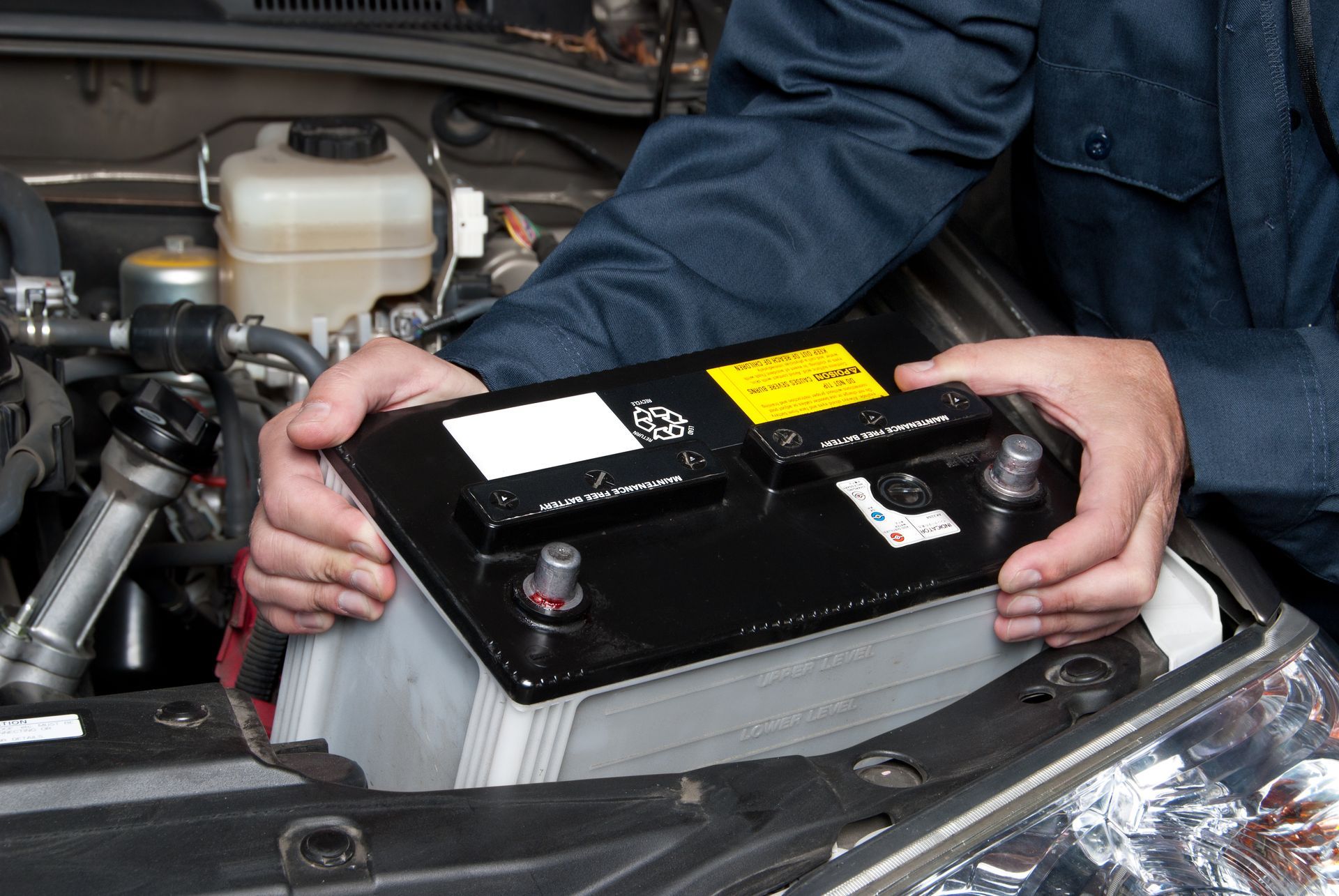
Modern control modules are picky about voltage. A battery that is a little tired can still start the engine, yet cause glitches at idle, like a fluttering display, random warning lights, or a radio that reboots. Loose or corroded grounds add resistance, so modules see different voltages and start arguing on the network.
Testing the battery’s state of health, cleaning grounds, and verifying voltage drop across key cables often restores stability without replacing a single module.
2. Charging System Ripple and Low Output
An alternator with worn diodes may show decent voltage on a quick check, yet it leaks alternating current into the system. That ripple confuses sensors and can cause dimming lights, erratic idle, or a transmission that shifts oddly at low speed. Another failure mode is low output at idle with every accessory on.
A proper test checks charging voltage, amperage under load, and ripple. The fix may be an alternator, a slipping belt or tensioner, or corroded charge cables that drop voltage.
3. Network Communication Faults (CAN/LIN)
Every modern car uses data networks to let modules talk. A single failing device on a shared line can pull the whole network down. Symptoms vary: the cluster goes dark, the power windows stop, or several lights come on at once. Intermittent faults often appear after bumps or when the cabin is hot.
Diagnosis starts by scanning all modules, looking for no communication or bus off codes, then isolating the branch with a scope or by unplugging devices one by one. Repair might be a damaged harness, a shorted sensor, or a waterlogged module.
4. Water Intrusion and Connector Corrosion
Electronics and moisture do not mix. Blocked sunroof drains, worn door seals, or a cracked windshield can drip onto hidden connectors. Weeks later the car grows random warnings, a musty smell, and intermittent power seat or lock issues. Corrosion raises resistance and creates ghost faults that come and go.
The cure is to find and seal the leak, clean or replace affected connectors and pins, and protect them with the proper dielectric products. Leaving the leak unfixed guarantees the problem returns.
5. Faulty Switches, Relays, and Power Distribution
Old fashioned parts still cause new age headaches. A failing ignition switch, sticky relay, or cracked under-hood fuse box can cut power to a healthy module and make it look guilty. Symptoms include a no-start some mornings and a perfectly normal car in the afternoon, or accessories that work only after a bump.
We use wiring diagrams and load tests to confirm voltage at the exact pin that feeds the failing circuit. Replacing the weak switch, relay, or fuse block restores reliable power delivery.
6. Software Glitches and Outdated Calibrations
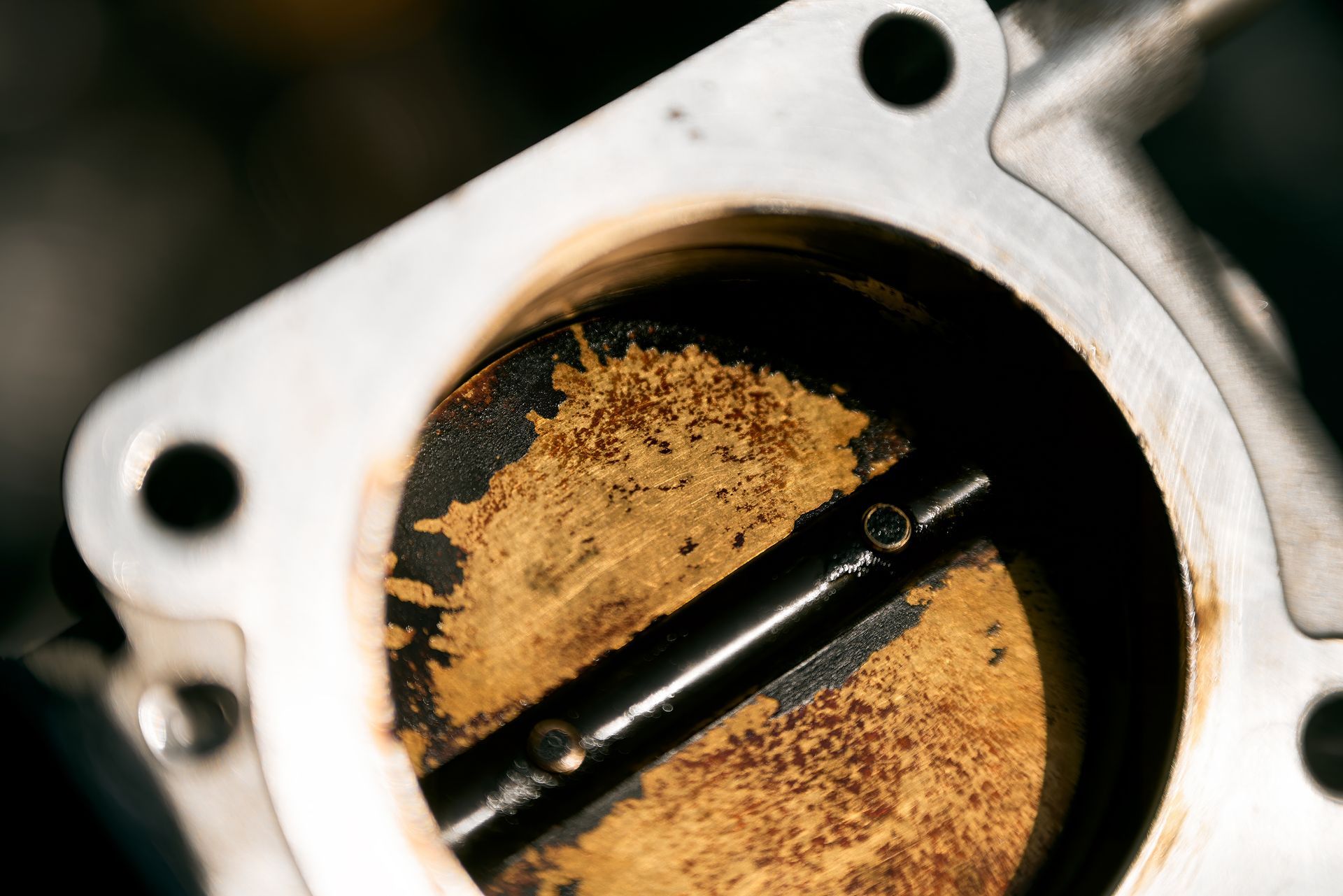
Modules run firmware like a phone runs an app. Sometimes the code needs an update to fix bugs or to play nicely with newer replacement parts. Rough idle after a throttle body service, a transmission that hunts between gears, or a camera view that freezes can all be calibration problems.
When hardware tests pass, checking for service bulletins and performing a software update through the manufacturer portal often resolves the gripe cleanly.
Simple Checks You Can Try Before a Visit
Note when the issue happens: first start of the day, after rain, or only with the A/C on.
- Look for damp carpet, fogged glass, or a musty odor that hints at a leak.
- Confirm battery terminals are tight and clean, and that the ground strap is secure.
- Bring both keys. A weak fob battery can trigger odd start or entry behavior.
- Avoid clearing codes at home. Freeze-frame data helps pinpoint intermittent faults.
Sharing these details with our mechanics shortens diagnosis time.
Why Professional Testing Beats Guesswork
Today’s electronics can pass a quick scan even when a voltage drop or ripple is the real culprit. Professional auto repair starts with measured testing: reading live data, checking wiring integrity, verifying grounds under load, and using an oscilloscope to see problems a voltmeter misses. The goal is to prove the fault before any part is replaced.
That approach saves money and prevents small electrical issues from escalating into larger failures that strand you in Houston traffic.
Restore Reliable Electronics with Payne’s Automotive in Houston, TX
If your dash lights flicker, warning messages appear, or accessories act up, we can help. Our mechanics test batteries and charging systems under load, track down network and connector issues, seal leaks, and perform necessary software updates so the fix lasts.
Schedule a visit with
Payne’s Automotive in Houston, TX, and we will bring your vehicle’s electronics back to calm, predictable operation for every drive.