Most drivers think about service when something breaks, not when everything feels fine. The problem is that breakdowns almost always start as small issues that were easy to fix earlier. Preventative maintenance is about catching those early stages and dealing with them on your schedule, not on the side of the road.
When you look at repair bills over several years, the drivers who stay ahead usually spend less overall than the ones who wait for something to fail.
How Preventative Maintenance Protects Your Car
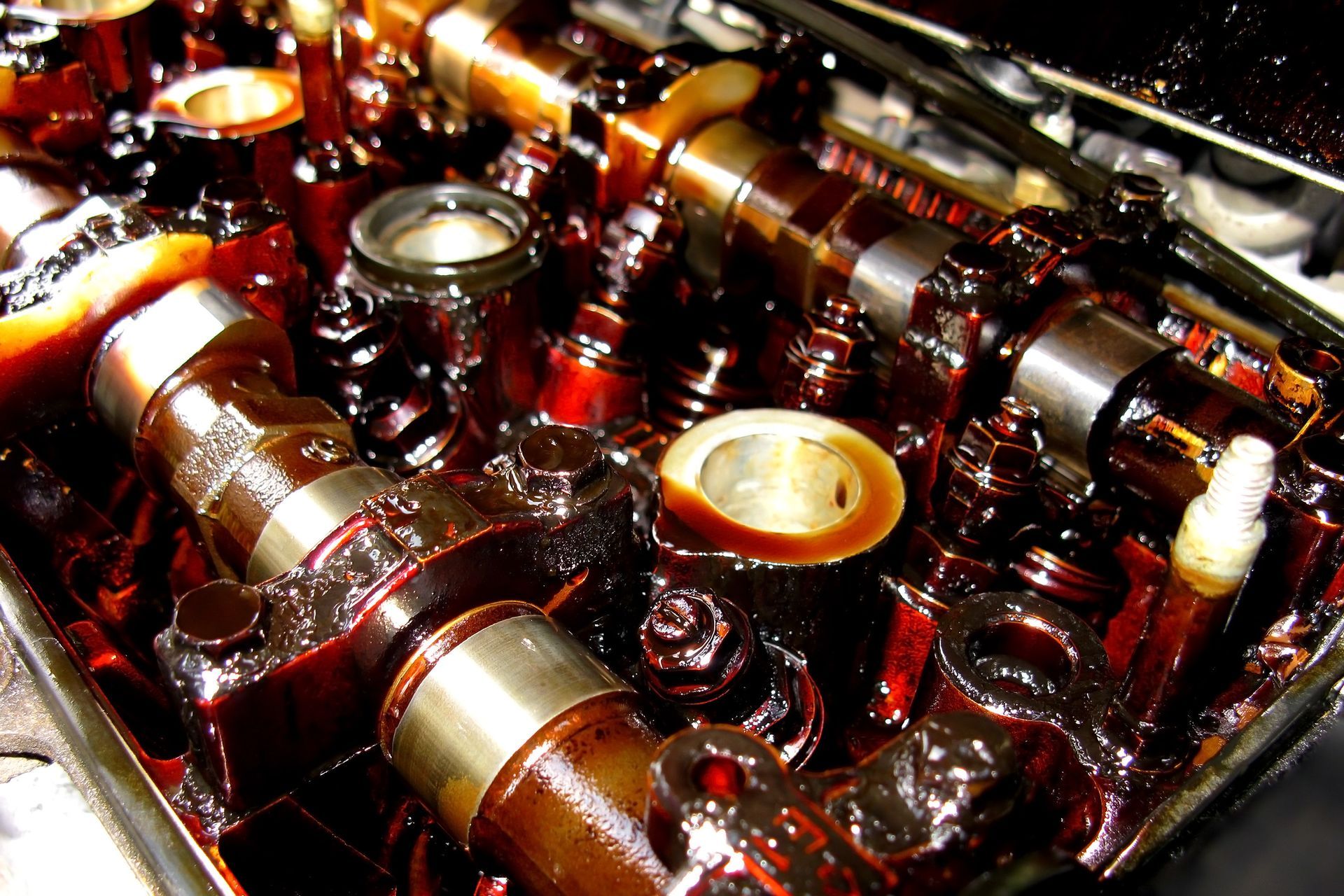
Preventative maintenance is any service done to keep parts from reaching the failure point. Fresh fluids protect internal surfaces, filters keep dirt and moisture out of sensitive systems, and inspections find worn components before they damage something more expensive. You might not feel a huge difference right after each visit, but inside the engine, transmission, and suspension, wear is kept under control.
The real savings show up in what does not happen. Engines that get regular oil changes rarely need major internal work, and cooling systems that are serviced on time are much less likely to leave you stranded with an overheating problem. Instead of paying for emergency auto repair, you are paying for smaller, planned services that extend the life of the whole vehicle.
Small Services That Prevent Big Auto Repair Bills
Some of the least expensive maintenance items are the same ones that protect the most expensive components. A basic preventative plan usually includes things like:
- Engine oil and filter changes at proper intervals for your driving style
- Coolant checks and periodic flushes to prevent overheating and internal corrosion
- Brake inspections and pad replacement before rotors and calipers are damaged
- Transmission fluid services where the manufacturer allows maintenance
- Belt and hose checks so you can replace them before they crack or break on the road
When these items are handled on schedule, you are much less likely to be the person searching for “auto repair near me” after a breakdown. Our mechanics see the difference every day between cars that follow a maintenance plan and cars that only come in when something fails.
How Our Mechanics Spot Problems Early
A good maintenance visit is more than just fluids and filters. While the car is on the lift, technicians can check for leaks, loose components, and develop wear patterns that are not obvious from the driver’s seat. A small seep at a water pump, a cracked bushing, or a slightly loose tie rod can all be watched or repaired before they become safety issues.
We also pay attention to tire wear, brake condition, and any noises or vibrations you describe. That way, you are getting more than just a quick service; you are getting a regular health check from people who know what early problems look like. That is where terms like “mechanics near me” really matter, because having a shop that knows your vehicle’s history makes it easier to catch changes quickly.
Owner Habits That Raise Long-Term Costs
Waiting until a warning light flashes or a noise becomes loud is one of the fastest ways to raise your repair bills. Driving long past oil change intervals, ignoring coolant level warnings, or putting off recommended services usually leads to several repairs at once. What could have been a single scheduled visit turns into a list of urgent jobs that all hit the budget together.
Short trips, heavy traffic, and hot weather are all hard on a vehicle, and those conditions are common for many drivers. If maintenance is delayed in that kind of use, parts wear faster than the schedule in the owner’s manual might suggest. Planning services a little on the early side is usually cheaper than pushing everything to the limit and hoping for the best.
When to Plan Maintenance Instead of Waiting for Breakdowns
A simple way to think about preventative maintenance is to match it to your real driving, not just the ideal numbers. If you do a lot of city driving, frequent cold starts, or towing, you fall closer to the “severe service” category, even if it does not feel severe. In that case, setting up a calendar or mileage-based plan with your shop keeps maintenance from slipping too far.
Any time you notice small changes, like new noises, longer cranking, or slight vibrations, it makes sense to bring them up at your next visit. Those are often early signs that something is beginning to wear out. Getting ahead of them with scheduled service is always better than scrambling later and searching for “mechanics near me” after a breakdown.
Get Preventative Maintenance in Houston, TX, with Payne's Automotive
We build maintenance plans around how you actually drive, not just what is printed on a generic schedule, so you are spending money where it saves you the most. We check fluids, filters, brakes, tires, and key wear items on every visit and explain which services will prevent bigger repairs down the road.
Call
Payne's Automotive
in Houston, TX, to schedule preventative maintenance and keep your vehicle reliable without surprise repair bills.