Oil changes are one of those maintenance items people either obsess over or stretch way too far. In Houston, with heat, traffic, and plenty of short trips mixed in, oil has a harder life than most drivers realize. The trouble is, a few popular myths keep circulating, and they can lead to wasted money, repeat repairs, or an engine that slowly starts to wear out early.
Let’s clear up the ones we see the most.
Why Oil Change Myths Stick Around
Oil advice gets passed down like family recipes. Some of it was true 20 years ago, some of it never was, and some depends on the vehicle and how you drive. Modern engines run tighter tolerances, many use turbocharging, and many are more sensitive to oil quality than older designs. When you mix old habits with newer engines, the results are not always friendly to your wallet.
1. Longer Intervals Always Save Money
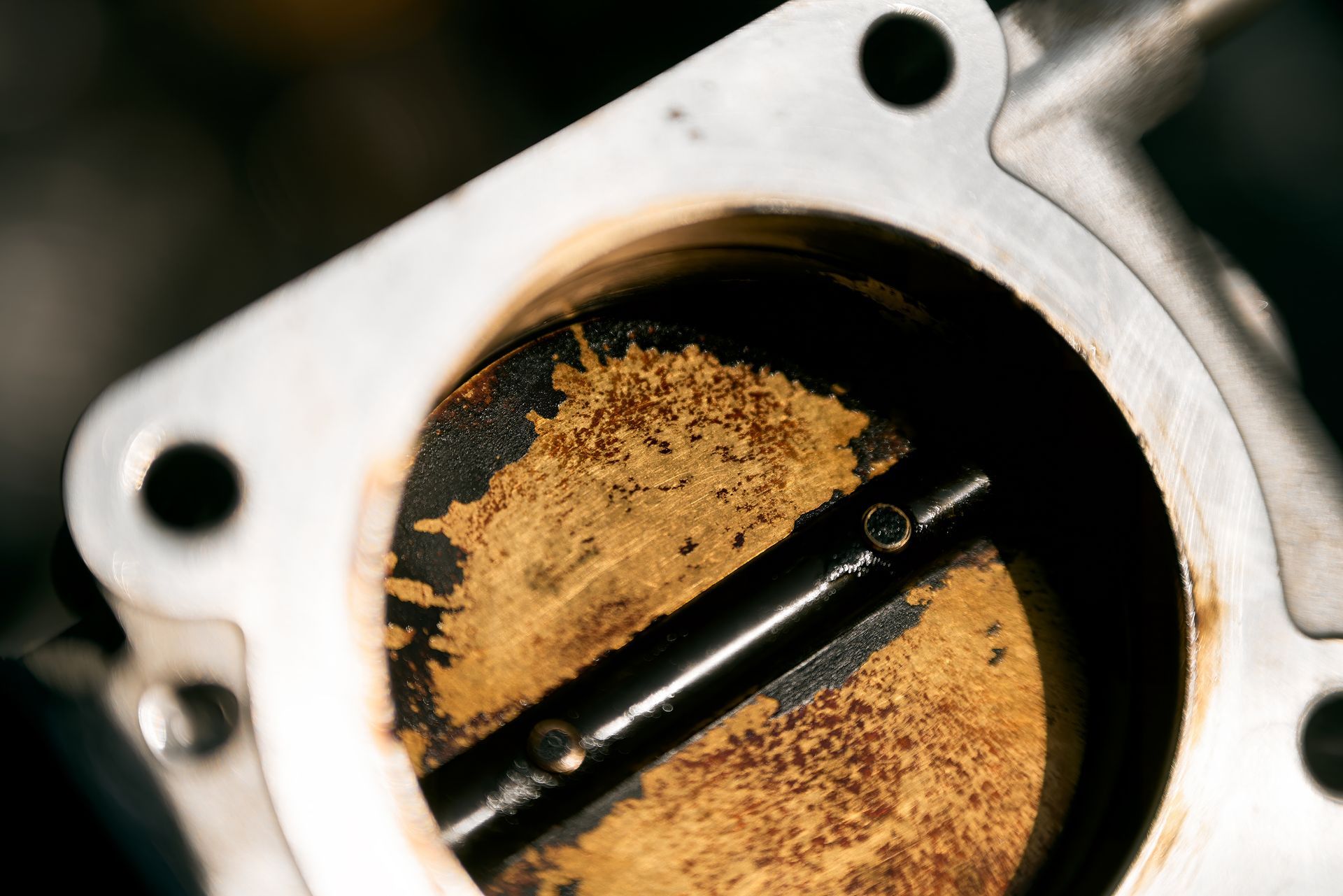
Stretching oil changes can save money in the short term, but it can cost more later if sludge starts forming or oil control rings begin sticking. The risk goes up when the car sees lots of short trips, long idling, or heavy heat. Oil needs time at full temperature to burn off moisture and fuel dilution, and many drivers do not get enough of that on a typical week.
If your driving is mostly quick errands, school runs, and traffic, the safe interval may be shorter than what sounds good on paper. We’ve seen engines that looked fine externally but had heavy deposits inside simply because the interval did not match the driving.
2. Any Oil That Matches The Viscosity Is Good Enough
Viscosity is only one piece of the puzzle. The right spec matters, especially for engines that require specific additives, detergents, or low-ash formulations. Some oils meet the weight requirement but do not meet the manufacturer’s standard, and that can show up as timing chain wear, noisy valve trains, or accelerated deposit buildup.
This is where saving a few dollars can backfire. When we recommend a specific oil spec, it is usually because the engine was designed around it, not because it is trendy or expensive.
3. If The Oil Looks Clean, You Can Wait
Oil can look fine and still be worn out. Additives get used up, heat breaks down the oil over time, and fuel dilution can thin it without making it look dark. Some engines also keep oil looking cleaner longer because of how they burn fuel, but that does not mean the oil is still protecting the same way.
A better sign to watch is consistency. If the oil level drops faster than it used to, if the engine gets noisier between services, or if you notice a burnt oil smell after driving, those are clues that the oil is having a tougher time doing its job.
4. Adding Oil Is The Same As Changing Oil
Topping off helps keep the level safe, but it does not remove contamination. Think of it like adding clean water to a dirty bucket. You might dilute it a little, but the dirt is still there. If an engine is consuming oil, topping off is a temporary bandage, not a maintenance plan.
Also, oil consumption should not be ignored. Sometimes it’s a small seep, sometimes it’s a crankcase ventilation issue, and sometimes it’s internal wear. Either way, you want to know why it is happening instead of just feeding the problem.
5. Quick Lube Upsells Are Always A Scam, Or Always Necessary
This myth goes both ways. Some services pushed at oil change time truly are unnecessary for your vehicle, and others are smart timing because the car is already on the lift. The real answer is that it depends on the condition and mileage.
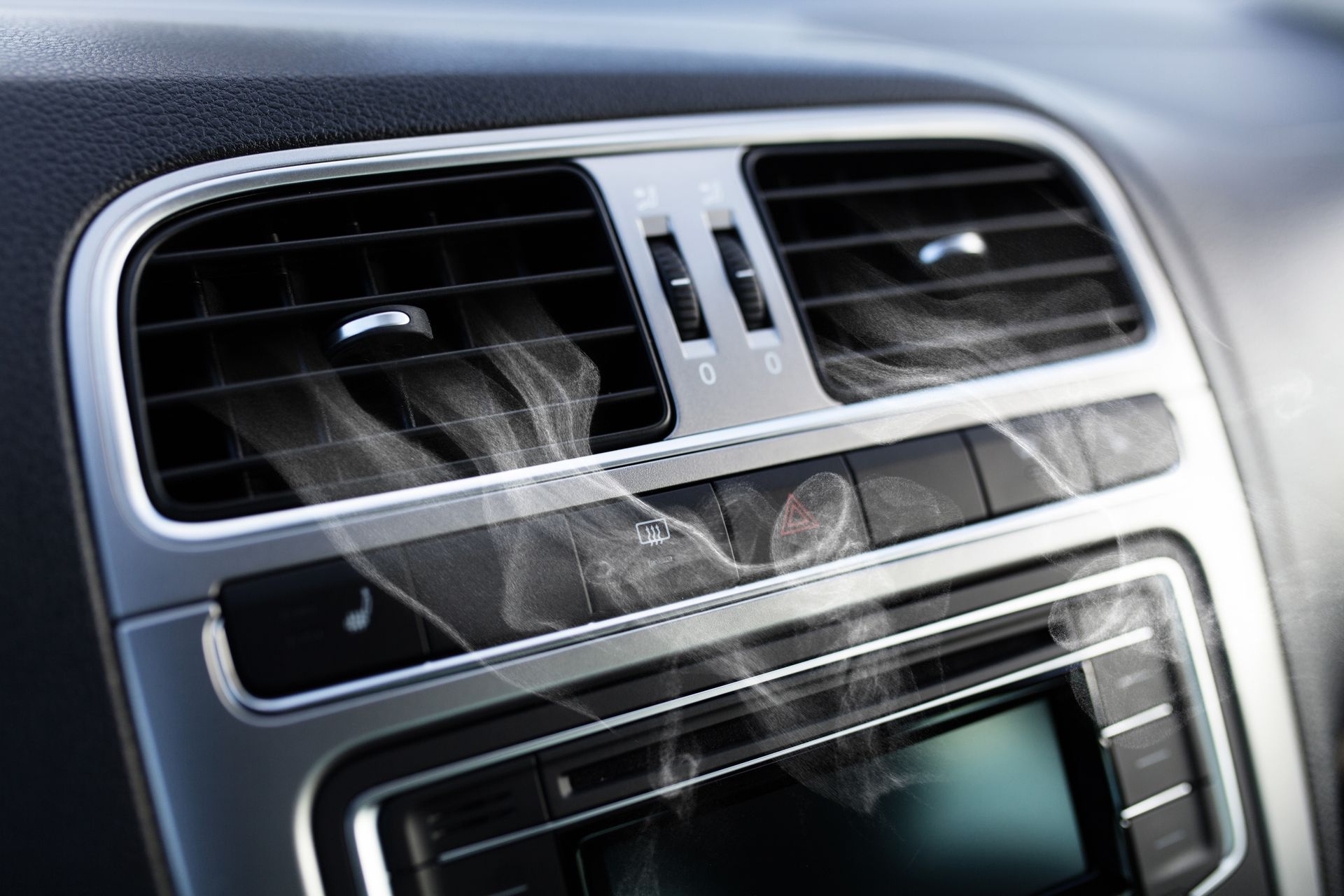
For example, an air filter that is clean does not need replacing, but a filter that is packed with debris can hurt fuel economy and airflow. A clogged cabin filter can reduce HVAC performance. The key is looking at actual condition and having someone explain why a service is recommended, not just selling a package because it is on a menu.
How To Make An Oil Plan That Fits Your Driving
The most cost-effective approach is matching oil service to how the car lives. If you drive mostly highway miles, you can often follow the normal interval confidently. If your routine involves stop-and-go traffic, frequent idling, short trips, or heavy towing, the interval usually needs to be more conservative.
We also suggest keeping oil level checks simple. Check it on a level surface when the engine is off and has had a few minutes to drain back. A quick glance every few weeks can prevent a low-oil surprise and give you early warning if consumption is changing. If you’re ever searching for auto repair because your oil light came on, that is already a sign the maintenance plan needs adjusting.
Get Oil Change Service in Houston, TX with Payne's Automotive
If you’re not sure what interval makes sense for your driving, or you want to stop guessing about oil type and engine needs, we can help. We’ll look at your vehicle, your mileage, and how you use it, then recommend an oil service plan that protects the engine without wasting money.
We’ve worked with plenty of Houston drivers who thought they just needed a reminder, when what they really needed was a plan built by experienced mechanics.