You flip open the owner's manual and it looks straightforward until you notice different charts, footnotes, and mileage ranges. Then you hear three different opinions from three different people, and none of them match what the manual says. Factory schedules are useful, but they're easy to misunderstand if you don't know what the automaker assumes about your driving. Once you get that part, the schedule starts making a lot more sense.
It's a roadmap, not a rulebook carved in stone.
What The Factory Schedule Is Really Telling You
Factory maintenance schedules are built around wear patterns the manufacturer expects for that model. They're meant to protect warranty coverage, keep emissions equipment happy, and prevent common failures before they become obvious. The schedule is also designed to be broad, so it works for thousands of drivers with different habits and climates.
That's why the same vehicle can have two different service paths in the manual. One is usually labeled normal, and the other is often called severe. If your daily driving fits severely, following the normal chart can leave you behind without realizing it.
Severe Service Versus Normal Driving
Severe does not mean you tow a boat up a mountain every weekend. It often includes short trips, lots of idling, stop-and-go traffic, dusty roads, or repeated high-heat driving. If your engine rarely gets a full warm-up, moisture and fuel dilution can build up in the oil faster, which changes how quickly wear compounds.
A lot of Houston driving fits the severe criterias. Heavy traffic, long idle times, and quick errands put you in that category more often than people expect. This is where regular maintenance saves you money because you're servicing based on real use, not a best-case scenario.
Mileage Milestones That Matter Most
Most schedules are built around milestone services, and some are more important than they look on paper. Think of these as the points where items tend to age out, not just wear out. A 30,000-mile service might be mostly filters and checks, while a 60,000- or 90,000-mile service includes fluids.
If you're trying to prioritize, focus on items that protect major assemblies. Fluids, belts, cooling system condition, and brake system health often give you the biggest payoff. If you type auto repair near me when something feels off, you're usually already late to the easy part of the plan.
Fluids And Filters People Commonly Miss
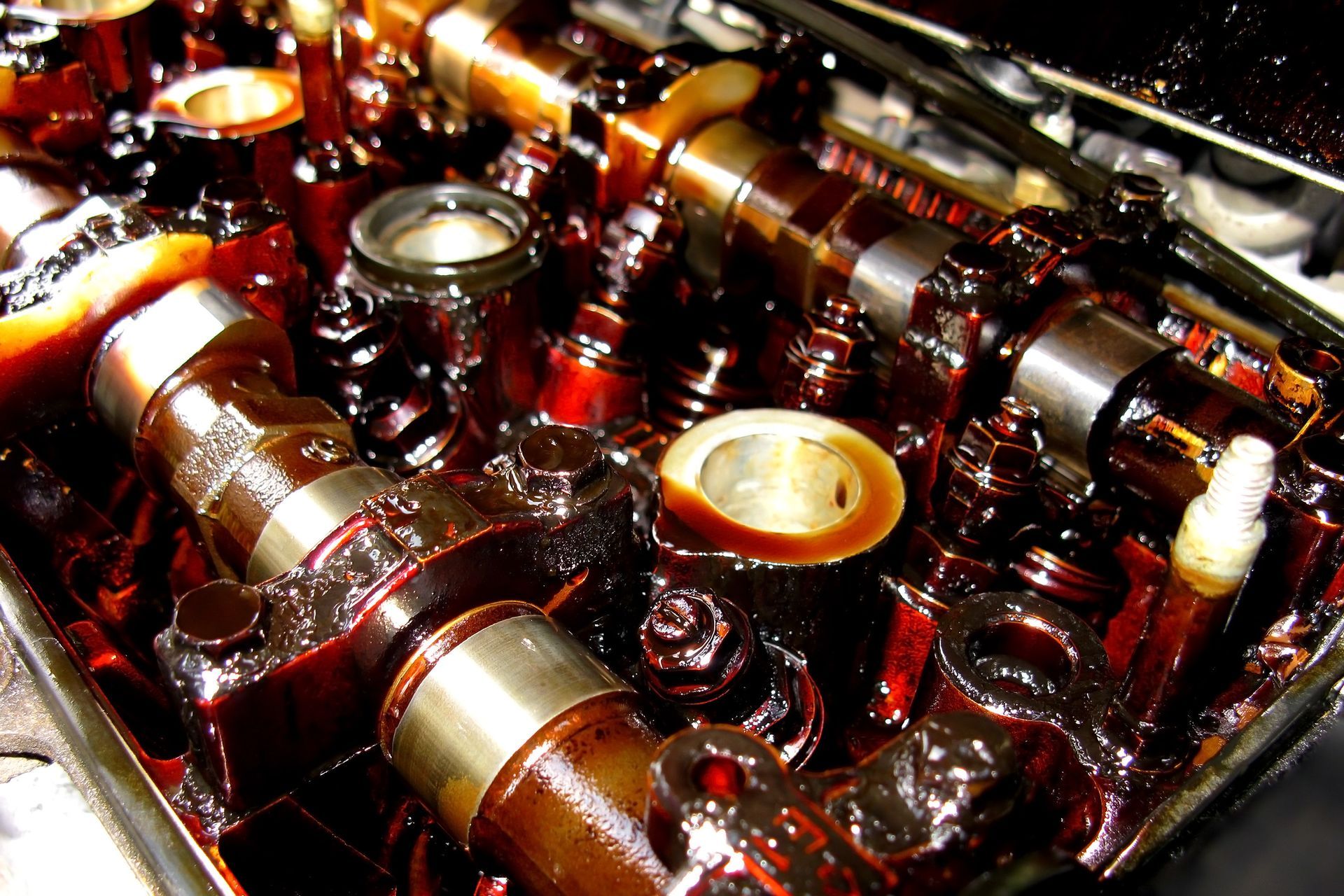
Oil changes get the attention, but other fluids are often where long-term problems start. Transmission fluid, brake fluid, and coolant age in ways you cannot see from the driver's seat. Ignoring them doesn't always cause an immediate symptom, but it can shorten component life quietly.
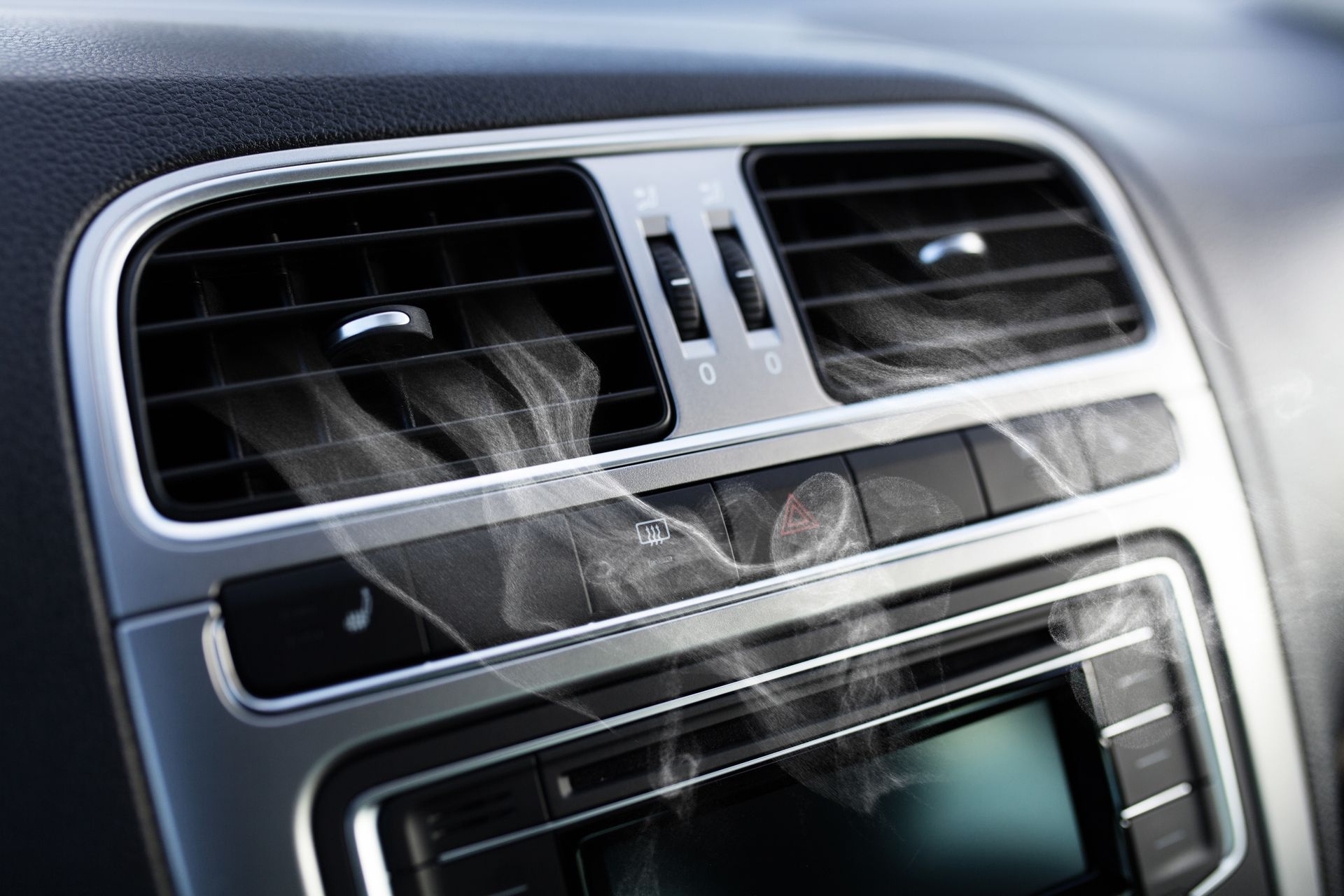
Filters are another easy miss. Cabin filters affect HVAC airflow and defroster performance, engine air filters protect the engine's breathing, and fuel filters (where serviceable) help prevent lean conditions and pump strain. Many drivers only think about these when the car feels sluggish or the vents barely move air.
How To Follow The Manual Without Overpaying
The schedule will list tasks, but it won't always tell you what is truly worn versus what is just due by time. That's where you avoid overpaying by pairing scheduled items with condition-based checks. For example, brake fluid might be on a time interval, but condition and moisture content are what matter. Same with tires, which may need rotation earlier if wear patterns start changing.
If you're comparing shops, ask what is included in a service and what gets verified first. Good mechanics will explain what they're checking and why a service is recommended now, instead of piling on add-ons. It's okay to follow the manual closely, but it's even better to confirm whether a component is actually due based on use and condition.
What To Do If You're Behind On The Schedule
If you missed a service interval, don't panic and don't try to do everything at once. Start by catching up on the items that protect the most expensive parts, like oil service, cooling system condition, and any overdue drivetrain fluids. Then work outward into things like filters, belts, and wear items. A simple inspection can reveal whether you're dealing with overdue maintenance or early wear that needs attention sooner.
It also helps to reset your baseline. Once the essentials are current, you can follow the schedule forward instead of constantly playing catch-up. If the car has high mileage with an unknown history, prioritize fluids and safety items first, then fill in the rest based on what the vehicle actually needs.
Keeping Records Without Making It A Chore
You don't need a spreadsheet to stay organized. A note on your phone with mileage and date is enough, and keeping receipts in a small folder works fine too. Records help you avoid duplicate work and make it easier to plan the next service before it becomes urgent.
This also helps with resale value because buyers like evidence of consistent care. It's one of the simplest habits that pays you back later. If you ever find yourself searching for auto repair and hoping the problem is minor, having a service history makes the next step clearer.
Get Factory Maintenance Schedule Help In Houston, TX, With Payne's Automotive
Payne's Automotive can translate your factory schedule into a practical plan based on how you actually drive, then help you prioritize what matters now versus what can wait.
You'll leave with a clear path forward instead of a checklist you dread.